Tayrona Park Beaches & Cabo San Juan Guide (2026): Trail Times & Safe Swimming
Complete 2026 guide to Tayrona National Park beaches: Cabo San Juan del Guía, La Piscina, Playa Cristal, Bahía Concha, trail times from El Zaino, and where swimming is prohibited.
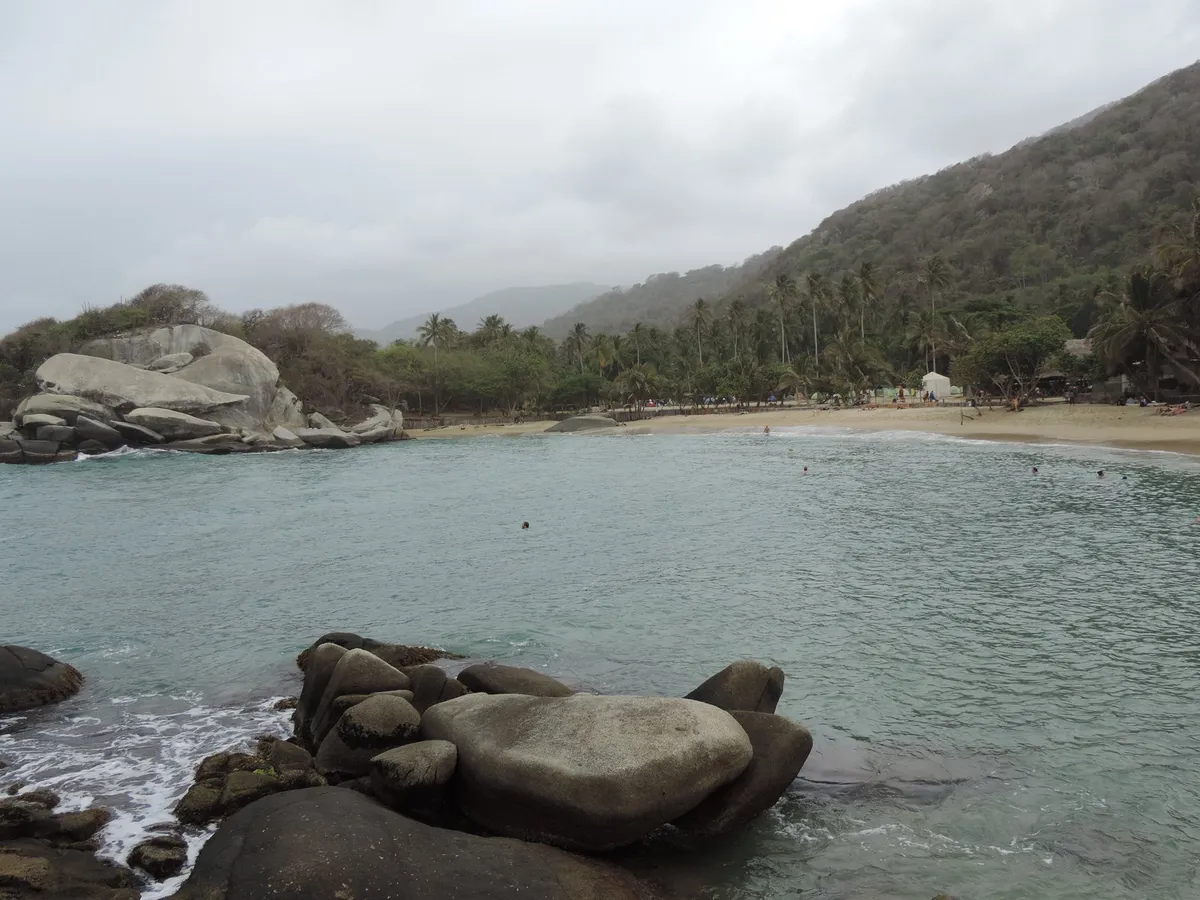
An Overview of Tayrona’s Coastline
Parque Tayrona is home to some of the most visually stunning beaches in the world. However, due to the unique coastal topography and strong offshore currents, many of these beaches are extremely dangerous for swimming. Visitors must strictly follow safety signs. Below is a detailed breakdown of the main beaches:
1. Cabo San Juan de Guía
- Swimming Safety: Safe (within the designated bays).
- Accessibility: A 2.5-hour hike from the El Zaino entrance, or a 4.5-hour hike from Calabazo.
- Amenities: Restaurant, campsite, hammock hire, lockers, public toilets, and showers.
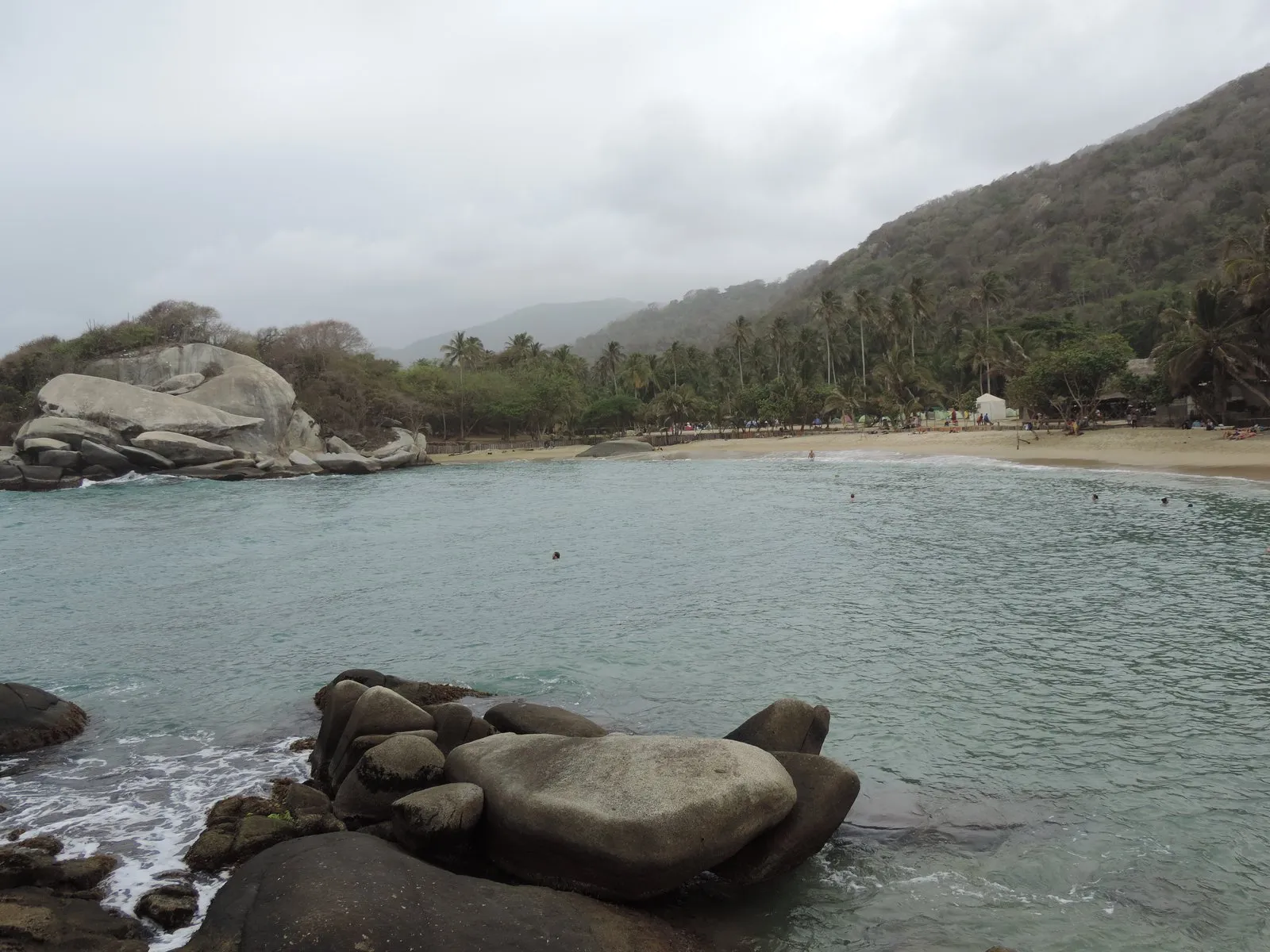
- Description: The most famous and photographed beach in Colombia. It features two mirroring horseshoe bays separated by a rocky peninsula. Atop this peninsula sits a wooden, thatched-roof lookout pavilion containing a line of hammocks where travelers can spend the night over the waves. The beach has golden sand and is surrounded by coconut palms.
2. La Piscina
- Swimming Safety: Highly Safe (the safest beach in the park).
- Accessibility: A 2-hour hike from El Zaino, located between Arrecifes and Cabo San Juan.
- Amenities: Small kiosks selling fresh juices, water, and snacks.
- Description: This beach is protected by a long, natural barrier of coral reef that acts as a breakwater, neutralizing ocean waves and currents. The result is a calm, swimming-pool-like lagoon with clear water, making it the perfect spot for families, swimmers, and snorkelers.
3. Arrecifes
- Swimming Safety: Extremely Dangerous (No Swimming).
- Accessibility: A 1-hour walk from the El Zaino entrance.
- Amenities: Campsites, luxury eco-cabins, restaurants, and basic shops.
- Description: A wide, spectacular beach littered with massive volcanic boulders and backing onto a saltwater lagoon. While highly scenic, the offshore rip currents are deadly. Over 200 people have lost their lives here; swimming is strictly prohibited, and signs remind visitors of the danger.
4. Playa Cristal (Playa del Muerto)
- Swimming Safety: Safe.
- Accessibility: Accessible via the Palangana entrance by car, followed by a short boat ride from Neguanje, or direct speedboat from Taganga.
- Amenities: Seafood restaurants, beach chair rentals, snorkeling gear rentals.
- Description: A stunning beach with white sand and transparent waters. It is the premier snorkeling spot in the park, boasting shallow coral reefs close to shore populated by colorful marine life.
5. Bahía Concha
- Swimming Safety: Safe.
- Accessibility: Accessible directly by road from Santa Marta (no long hiking required).
- Amenities: Local food stalls, kayak rentals, shade tree areas.
- Description: A large, crescent-shaped bay with calm, gentle waves. It is popular with locals on weekends due to its proximity to Santa Marta. Shaded by trees that grow close to the shoreline, it is perfect for relaxing.
6. Cañaveral
- Swimming Safety: Dangerous (No Swimming).
- Accessibility: Located at the El Zaino park entrance trailhead.
- Amenities: Ecohabs Tayrona (luxury lodging), restaurant, parking.
- Description: A small, beautiful beach with powerful waves and rocky reefs. It is home to the park’s luxury Ecohabs, providing stunning ocean views from private thatched bungalows.
7. Castilletes
- Swimming Safety: Dangerous (No Swimming).
- Accessibility: Near the El Zaino entrance (accessible by car via a short dirt road).
- Amenities: Camping area, hostel beds, restaurant.
- Description: A long, wild beach that receives strong ocean winds. It is very quiet and lacks crowds, making it a peaceful place to camp, though the water is unsafe for swimming.
8. Playa Brava
- Swimming Safety: Dangerous (No Swimming).
- Accessibility: A strenuous 3-hour hike from the Calabazo entrance.
- Amenities: Eco-cabins (Teyumakke), hammocks, basic restaurant.
- Description: A remote, wild beach in the western sector. It features rough waves and a dramatic jungle backdrop. It is one of the least visited spots, offering complete solitude.
For options outside the park, see where to eat near Tayrona.
Gallery & Visual Highlights
Explore these high-resolution captures of Tayrona National Park relating to this chapter:
-
The Twin Horseshoe Bays of Cabo San Juan:
-
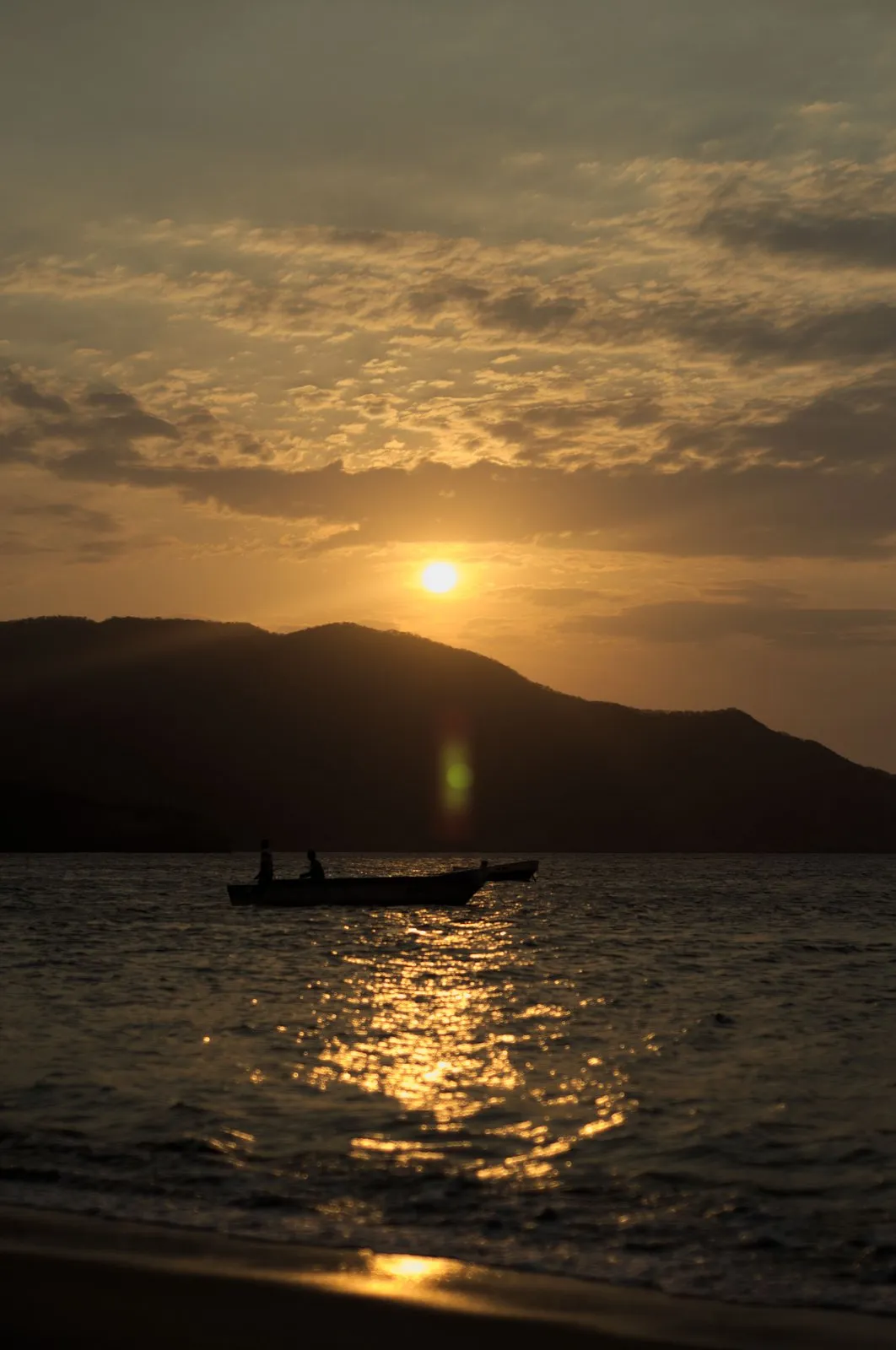
Golden Hour Sunset at Concha Bay:
-
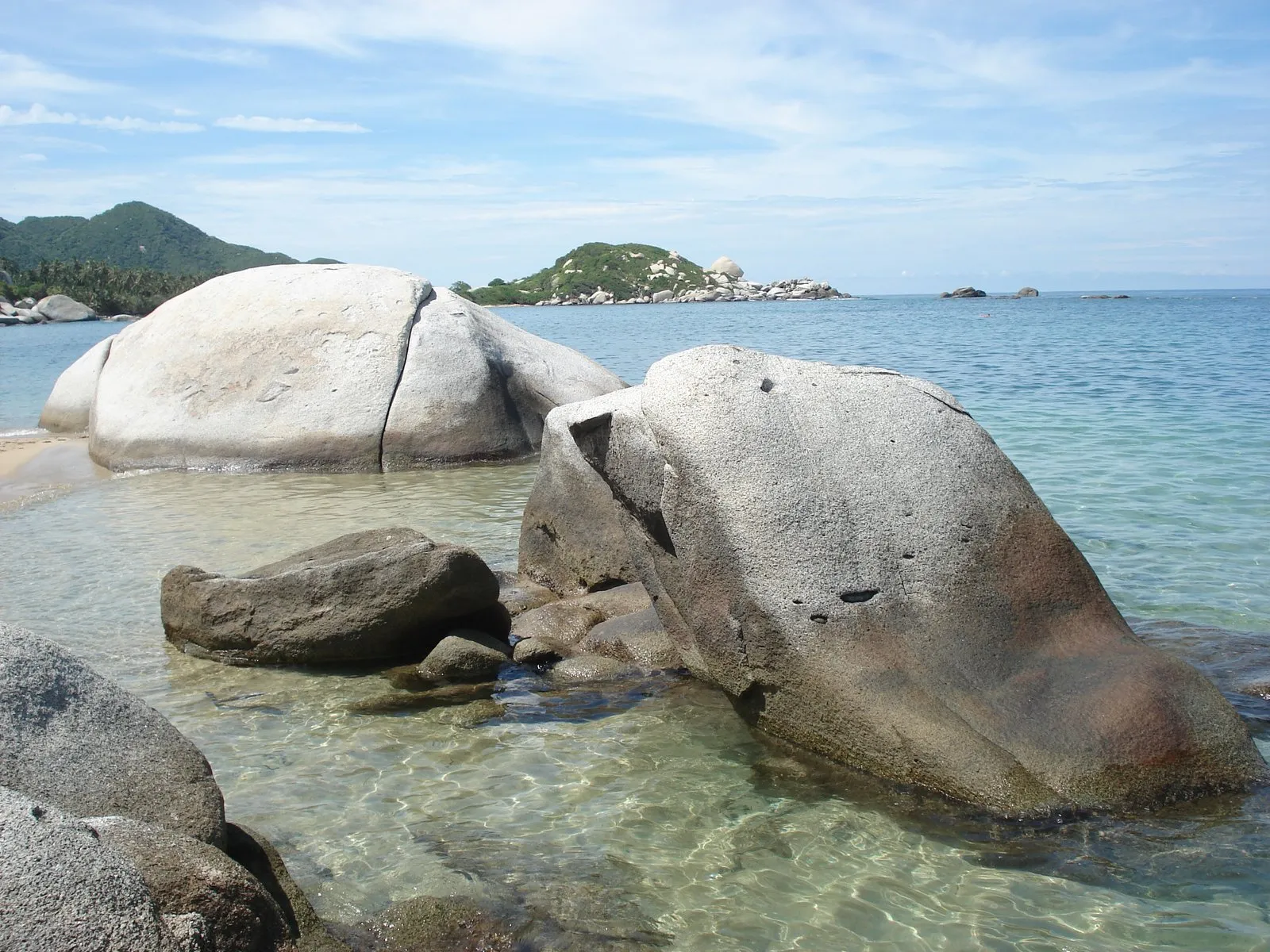
Massive Smooth Granite Boulders Resting in the Calm, Shallow Waters:
-
A Wild, Undeveloped Beach with Waves Crashing Against a Forest Backdrop:

Frequently Asked Questions
Which beaches in Parque Tayrona are safe for swimming?
Safe swimming beaches include Cabo San Juan del Guía, La Piscina, Bahía Concha, and Playa Cristal. Swimming is strictly prohibited at Arrecifes, Cañaveral, and Playa Brava due to deadly undertows.
How long is the hike to Cabo San Juan del Guía?
From the Cañaveral trailhead (reached by the park shuttle from El Zaino), the hike to Cabo San Juan takes approximately 2 to 2.5 hours at a steady pace, traversing rainforest boardwalks, Arrecifes, and La Piscina.
Can you sleep overnight at Cabo San Juan?
Yes, Cabo San Juan has a designated camping area with rental tents and hammocks (including the famous hilltop gazebo over the ocean). Facilities include a restaurant, luggage lockers, and basic bathrooms.