Flora, Fauna & Wildlife Conservation
Explore the rich biodiversity of Tayrona's ecosystems, focusing on endangered primates, endemic birds, marine life, and sea turtles.
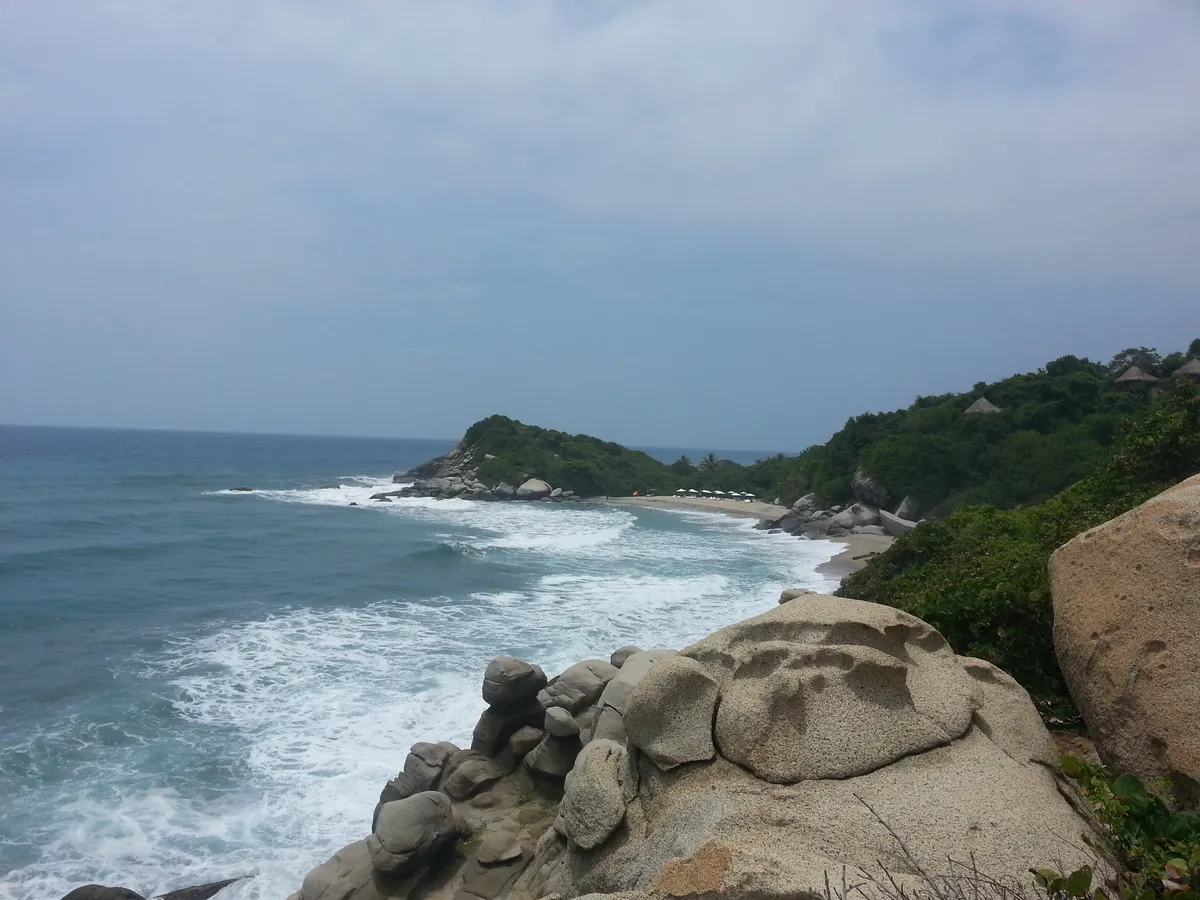
Ecosystem Diversity & Flora
Because of its varied microclimates, Parque Tayrona is an ecological powerhouse, home to hundreds of plant species. The arid western zones support drought-resistant vegetation, including organ-pipe cacti (Stenocereus griseus), prickly pear, and deciduous trees like the indio desnudo (naked Indian tree), which sheds its bark to photosynthesize during dry spells.
In the wet eastern sectors, the jungle canopy rises up to 30 meters. It is dominated by giant palms, including the palma de cera and the palma amarga, which indigenous groups harvest sustainably to thatch their roofs. Epiphytes like bromeliads, orchids, and climbing lianas cover the tree trunks. Along the coast, four species of mangroves (red, black, white, and buttonwood) grow in saline lagoons, providing a critical buffer zone that prevents coastal erosion and filters sediment from reaching coral reefs.
Mammals and Primates
The park is a vital sanctuary for several threatened mammalian species. The forest canopy is alive with primates, most notably:
- Colombian Red Howler Monkey (Alouatta seniculus): Famous for their deep, guttural roars that can be heard up to 3 miles away, usually at sunrise and before rain.
- Cotton-Top Tamarin (Saguinus oedipus): A critically endangered titi monkey, easily recognized by the shock of white hair on its head. They are endemic to Colombia and live in small, active family groups.
On the forest floor, larger, elusive predators roam. The park has documented populations of jaguars (Panthera onca), ocelots (Leopardus pardalis), and pumas, though they are nocturnal and avoid human paths. More common sightings include agoutis (large forest rodents), white-lipped peccaries (wild pigs), and anteaters.
Avian Wealth: A Birdwatcher’s Paradise
With over 300 bird species, Tayrona is a premier birdwatching destination. The mixed ecosystems attract both migratory and resident species. Key birds include:
- Military Macaw (Ara militaris): A large green parrot endangered due to habitat loss, frequently seen flying in pairs over the canopy.
- Keel-Billed Toucan (Ramphastos sulfuratus): Famous for its massive, rainbow-colored bill.
- Lance-Tailed Manakin (Chiroxiphia lanceolata): Known for its elaborate courtship dances where males perform synchronized leaps.
- Water birds like brown pelicans, magnificent frigatebirds, and white ibises flock to the coastal bays.
Marine Life and Sea Turtle Conservation
The marine section of the park protects complex coral reefs and vast seagrass meadows. Over 100 species of corals and 400 species of fish live here, including parrotfish, angelfish, groupers, and moray eels.
Most importantly, the secluded sandy beaches of Tayrona are critical nesting sites for four species of endangered sea turtles:
- Leatherback (Dermochelys coriacea)
- Loggerhead (Caretta caretta)
- Hawksbill (Eretmochelys imbricata)
- Green Turtle (Chelonia mydas)
Between May and October, female turtles crawl ashore at night to deposit eggs in the sand. Park rangers and conservationists patrol the beaches (such as Cañaveral and Castilletes) to protect the nests from predators and human disturbance, ensuring the hatchlings return safely to the sea.